
Introduction
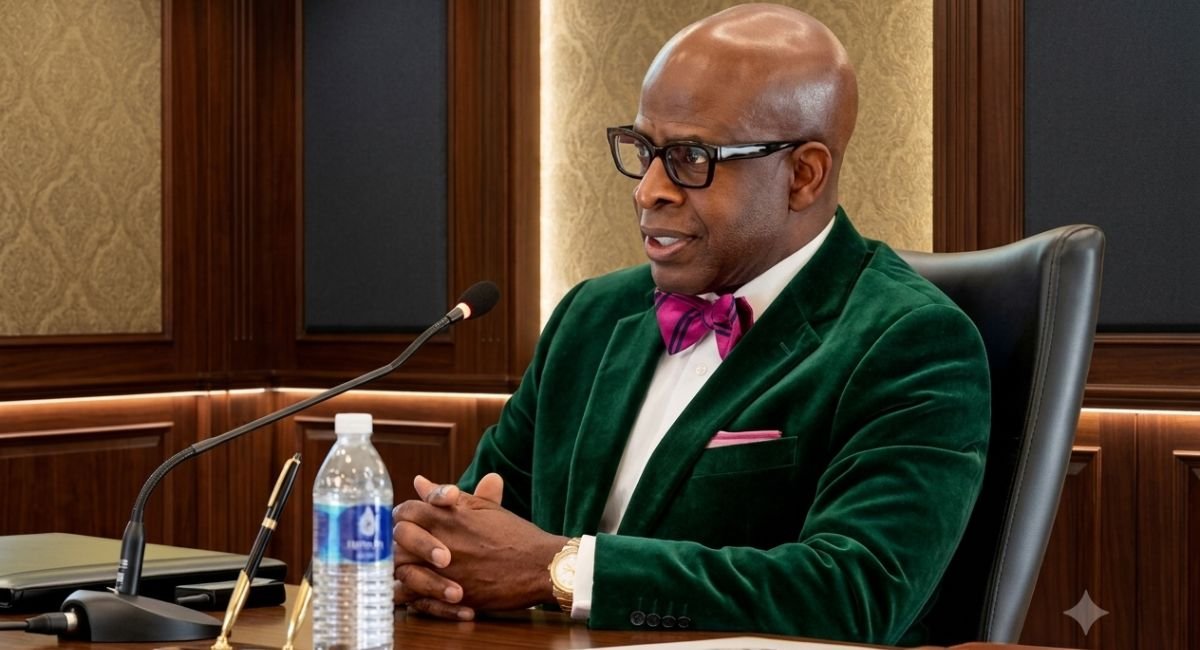
Florida A&M University (FAMU) entered one of the most significant leadership transitions in its recent history when it launched the search for its next permanent president. Following months of applications, committee reviews, and evaluations, four finalists were selected to move forward for campus interviews. Among them, FAMU presidential search candidate Rondall Allen attracted considerable attention because of his academic leadership experience, pharmaceutical background, and long-standing connection to Historically Black Colleges and Universities (HBCUs).
Allen’s candidacy generated meaningful conversations across the FAMU community. Students, faculty members, alumni, and university stakeholders closely examined not only his professional achievements but also his vision for leading one of the nation’s premier public HBCUs during a rapidly changing higher education landscape.
This article explores Rondall Allen’s career, qualifications, leadership philosophy, role in the FAMU presidential search, and why his candidacy became an important part of the university’s presidential selection process.
Quick Overview of Rondall Allen
| Category | Details |
|---|---|
| Full Name | Dr. Rondall Allen |
| Profession | Higher Education Administrator |
| Current Leadership Role During Search | Provost and Vice President for Academic Affairs, University of Maryland Eastern Shore |
| Academic Field | Pharmacy and Higher Education Leadership |
| Primary Expertise | Academic Affairs, Strategic Planning, Student Success |
| Higher Education Experience | More than two decades |
| FAMU Search Status | One of four presidential finalists |
| Leadership Focus | Student achievement, faculty excellence, research growth, institutional advancement |
Understanding the FAMU Presidential Search
Selecting a university president is one of the most important decisions any institution can make. The president influences academic priorities, financial planning, fundraising efforts, enrollment strategies, community partnerships, and long-term institutional growth.
For Florida A&M University, the search carried even greater importance because the institution was seeking stable leadership during a period of transition.
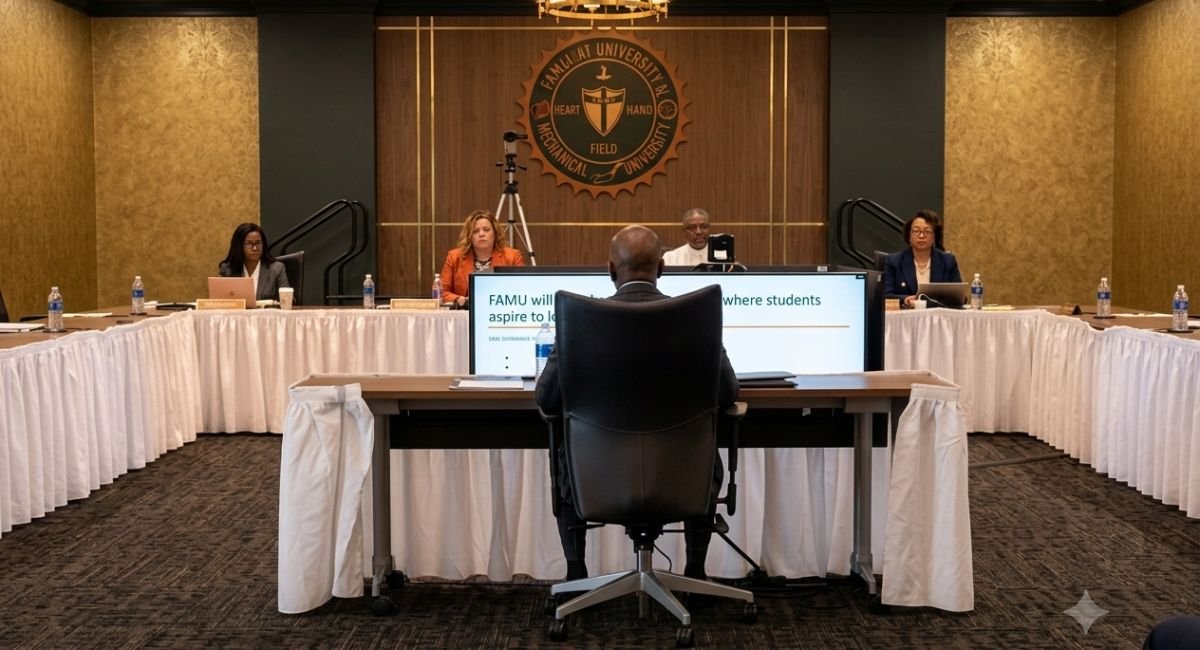
The university’s Presidential Search Committee reviewed a large pool of applicants before narrowing the list to four finalists who demonstrated significant leadership experience and qualifications.
Those finalists included:
- Dr. Rondall Allen
- Gerald Hector
- Marva Johnson
- Dr. Donald Palm
Each finalist participated in public campus visits, interviews with the Board of Trustees, and open forums where students, faculty, staff, alumni, and community members could ask questions and provide feedback.
This process was designed to give university stakeholders an opportunity to evaluate each candidate beyond their résumé by observing how they communicated, responded to challenges, and articulated a vision for FAMU’s future.
Who Is Rondall Allen?
Dr. Rondall Allen is an experienced higher education administrator whose career has centered on academic leadership, institutional development, and student success.
Before becoming a presidential finalist at Florida A&M University, Allen served as Provost and Vice President for Academic Affairs at the University of Maryland Eastern Shore (UMES), a public historically Black university within the University System of Maryland.
As chief academic officer, he oversaw many of the university’s most critical academic operations, including:
- Academic colleges and departments
- Faculty development initiatives
- Curriculum planning
- Accreditation support
- Student learning outcomes
- Research initiatives
- Strategic academic planning
These responsibilities positioned him as one of the senior executives responsible for shaping the university’s academic direction and maintaining educational quality.
His career reflects a consistent focus on improving academic performance while supporting both students and faculty members through collaborative leadership.
Why Allen’s Background Stood Out
University presidential searches typically evaluate candidates across several leadership dimensions rather than academic credentials alone.
Allen’s experience aligned with many of those expectations.
Key Strengths Often Associated with His Leadership
- Extensive academic administration experience
- Deep understanding of HBCU missions
- Healthcare education expertise
- Strategic planning experience
- Faculty leadership
- Student-centered decision making
- Institutional collaboration
- Experience managing academic operations
These strengths made him a competitive finalist in a search that emphasized leadership capability, institutional vision, and the ability to guide a major public university.
Career Journey in Higher Education
Allen’s professional path reflects years of progression through increasingly senior leadership positions.
Rather than focusing solely on one academic discipline, his work expanded into broader university administration where he became responsible for institution-wide academic planning.
Career Progression
| Career Stage | Leadership Focus |
|---|---|
| Pharmacy Education | Teaching, clinical education, professional training |
| Academic Leadership | Departmental and college administration |
| Executive Administration | Strategic academic planning |
| Provost | University-wide academic leadership |
| Presidential Finalist | Institutional vision and executive leadership |
This progression demonstrates how many university leaders build experience before becoming presidential candidates.
Leadership Philosophy
One of the themes frequently associated with Rondall Allen’s public appearances during the presidential search was authenticity.
Throughout public discussions, he emphasized the importance of listening before making major institutional decisions.
His leadership philosophy appeared to emphasize several principles:
1. Student Success First
Allen consistently highlighted the importance of ensuring students have access to quality academic programs, strong advising, and meaningful career preparation.
Rather than measuring success solely through graduation rates, he spoke about preparing graduates for long-term professional achievement.
2. Academic Excellence
As a provost, Allen’s responsibilities naturally centered on maintaining academic quality.
Strong academic programs contribute to:
- National rankings
- Research opportunities
- Faculty recruitment
- Student retention
- Graduate school placement
- Employer partnerships
His administrative background reflects significant experience working in these areas.
3. Collaborative Leadership
Modern universities require collaboration across many groups.
Successful presidents regularly engage with:
- Faculty
- Students
- Alumni
- Trustees
- Donors
- Government officials
- Community organizations
Allen’s approach suggested that institutional progress depends on bringing these voices together rather than making decisions in isolation.
Connection to Historically Black Colleges and Universities
One aspect of Allen’s candidacy that attracted attention was his extensive experience within the HBCU community.
Historically Black Colleges and Universities occupy a unique position in American higher education by combining academic excellence with cultural heritage, community engagement, and expanded educational opportunities.
Leading an HBCU requires balancing multiple priorities, including:
| Leadership Area | Why It Matters |
|---|---|
| Academic Excellence | Maintain educational quality |
| Student Support | Improve graduation and retention |
| Research Growth | Increase grants and innovation |
| Alumni Relations | Strengthen lifelong engagement |
| Fundraising | Expand scholarships and programs |
| Community Partnerships | Build economic and social impact |
| Financial Stability | Support long-term institutional success |
Allen’s professional experience within an HBCU environment provided familiarity with many of these responsibilities.
Campus Visit and Community Engagement
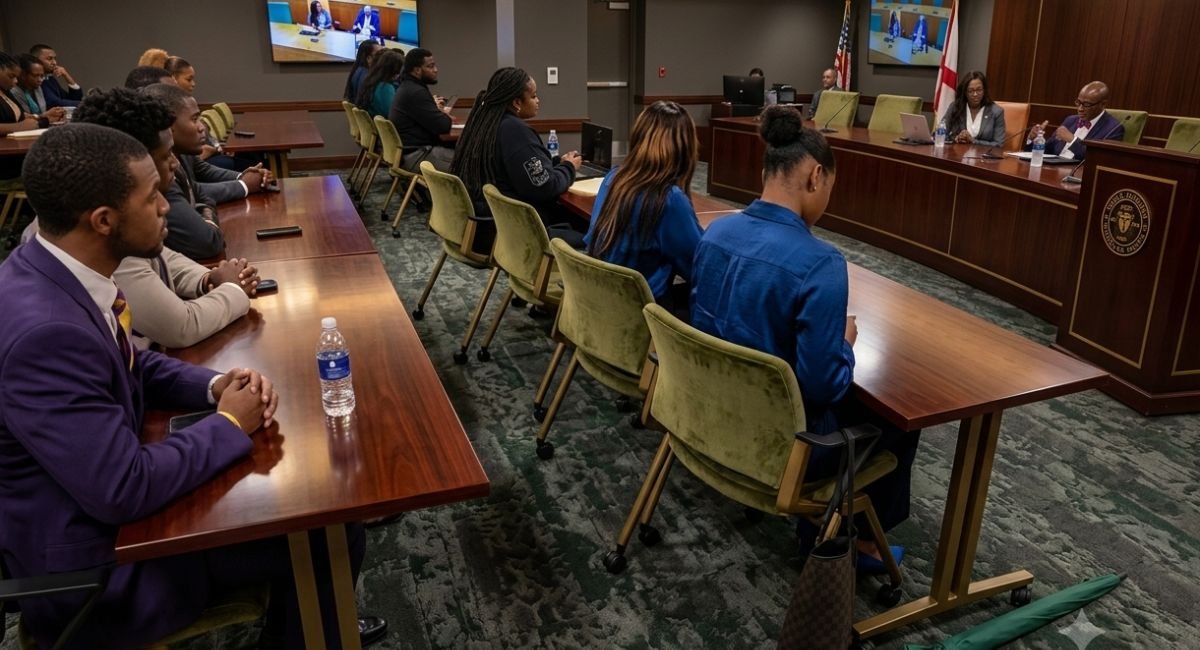
As part of the presidential selection process, each finalist participated in campus forums where members of the university community could ask questions directly.
These sessions allowed students, faculty, staff, alumni, and supporters to evaluate not only each candidate’s qualifications but also their communication style, leadership presence, and vision for the institution.
During discussions surrounding Allen’s visit, several recurring topics emerged:
- Academic program funding
- Student retention
- Transfer student success
- University rankings
- Research opportunities
- Community partnerships
- Athletic competitiveness
- Alumni engagement
The forums demonstrated the broad range of expectations stakeholders place on a university president. Beyond academic leadership, the role requires balancing financial planning, fundraising, student services, and external relationships while maintaining the university’s mission.
Rondall Allen’s Vision for Florida A&M University
Every presidential candidate enters the selection process with a unique perspective on institutional leadership. During his campus visit and public forums, FAMU presidential search candidate Rondall Allen emphasized themes that aligned closely with FAMU’s historic mission while addressing the realities of modern higher education.
Rather than presenting a one-size-fits-all approach, Allen focused on strengthening areas that directly affect students, faculty, research, and the university’s long-term competitiveness.
His discussions centered around several recurring priorities:
- Enhancing academic quality
- Supporting student achievement
- Expanding research opportunities
- Increasing financial sustainability
- Building stronger alumni relationships
- Creating meaningful community partnerships
- Encouraging collaborative leadership
These priorities reflect many of the challenges facing public universities nationwide while recognizing FAMU’s unique identity as one of the country’s leading Historically Black Colleges and Universities (HBCUs).
Student Success as a Central Priority
Student success was one of the most frequently discussed topics during Allen’s campus engagement.
Today’s university presidents are expected to focus not only on enrollment numbers but also on helping students complete their degrees and transition successfully into graduate education or professional careers.
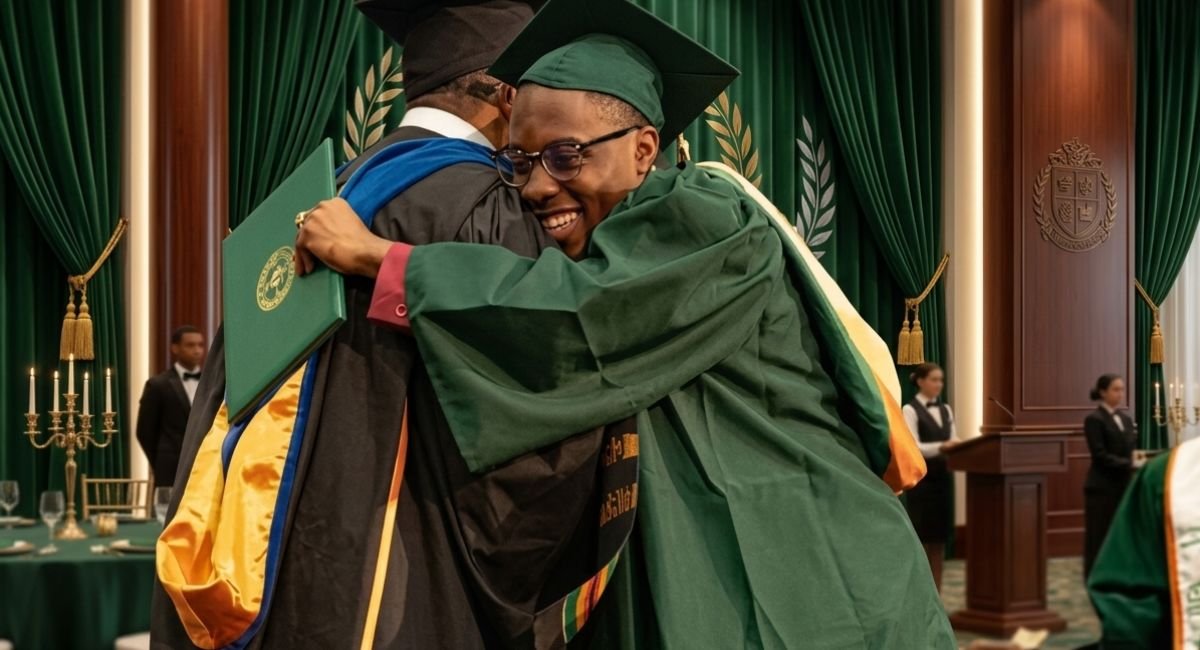
Allen’s academic leadership experience naturally positioned him to discuss initiatives such as:
Potential Areas of Focus
- Improving student retention
- Increasing graduation rates
- Strengthening academic advising
- Supporting first-generation college students
- Expanding career preparation
- Improving internship opportunities
- Enhancing mentorship programs
- Increasing student engagement
A student-centered leadership philosophy is particularly important for institutions like FAMU, where educational opportunity and community impact have long been central to the university’s mission.
Academic Innovation and Program Development
Higher education continues to evolve rapidly.
Universities must regularly update academic programs to reflect changing workforce needs, technological advances, and employer expectations.
Allen’s experience as Provost gave him responsibility for overseeing curriculum planning and academic program quality.
Possible strategic priorities in this area include:
| Academic Goal | Potential Institutional Impact |
|---|---|
| Modernizing academic programs | Better workforce readiness |
| Expanding STEM education | Increased research opportunities |
| Supporting healthcare education | Address workforce shortages |
| Strengthening graduate programs | Improve academic reputation |
| Encouraging interdisciplinary learning | Better innovation and collaboration |
| Faculty development | Higher instructional quality |
Because FAMU already maintains nationally recognized academic programs, continued innovation remains essential for staying competitive.
Research Growth and External Funding
Research is becoming an increasingly important component of university leadership.
Strong research programs help institutions:
- Secure competitive grants
- Recruit talented faculty
- Attract graduate students
- Support regional economic development
- Increase institutional visibility
- Create innovation partnerships
As an academic administrator, Allen has experience working in environments where research development plays an important role.
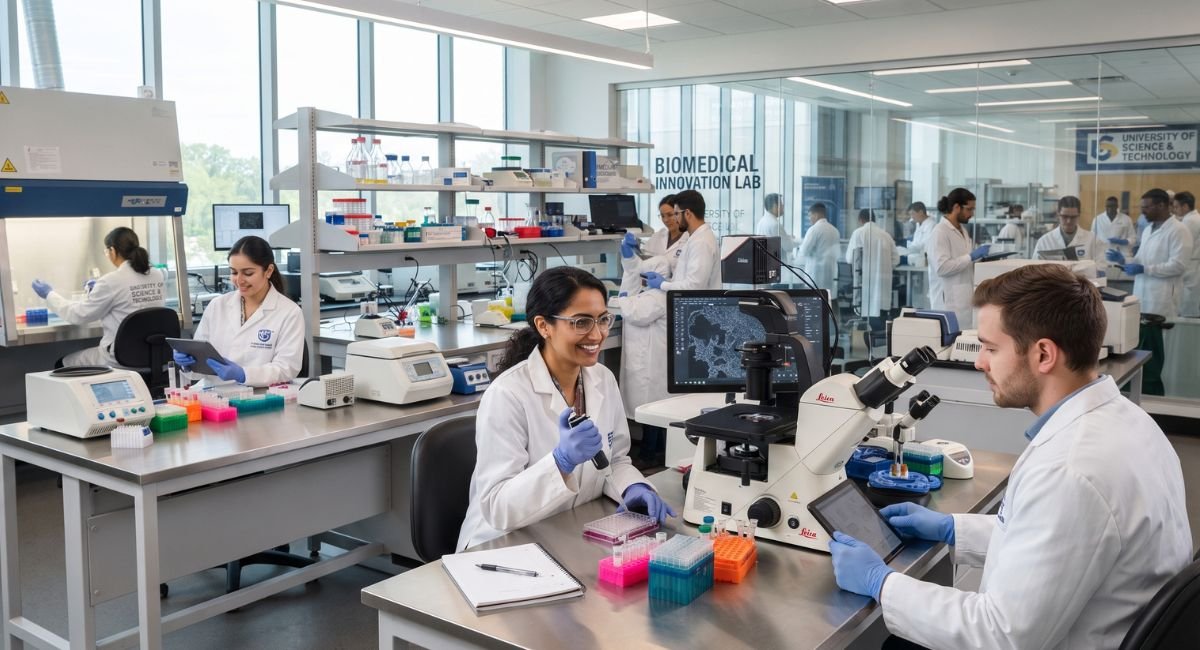
For FAMU, expanding research capacity could benefit multiple disciplines, including:
- Health sciences
- Agriculture
- Engineering
- Environmental sciences
- Business
- Technology
- Public health
Growing research activity also strengthens partnerships with government agencies, private industry, and nonprofit organizations.
Faculty Support and Shared Governance
Universities depend heavily on faculty expertise.
Faculty members contribute through:
- Teaching
- Research
- Mentorship
- Curriculum development
- Community engagement
- Institutional governance
Many participants in presidential forums asked candidates how they planned to support faculty while maintaining academic excellence.
Allen’s background in academic affairs suggests familiarity with issues such as:
- Faculty recruitment
- Professional development
- Academic freedom
- Collaborative decision-making
- Program assessment
- Institutional accreditation
Strong relationships between university leadership and faculty often contribute to improved student outcomes and institutional stability.
Financial Sustainability in Higher Education
Modern university presidents must balance educational priorities with financial realities.
Higher education institutions face increasing pressures related to:
- Operating costs
- State funding
- Enrollment trends
- Infrastructure investments
- Technology upgrades
- Student financial aid
- Research funding
While chief financial officers manage daily financial operations, university presidents play a critical role in long-term planning and fundraising.
Allen’s leadership discussions reflected an understanding that financial sustainability supports every aspect of the university’s mission.
The Importance of Alumni Engagement
FAMU has one of the most active alumni communities among HBCUs.
Graduates contribute through:
- Student mentoring
- Scholarships
- Philanthropy
- Career networking
- Legislative advocacy
- Community partnerships
During public forums, alumni raised questions about preserving FAMU’s traditions while preparing the university for future growth.
Successful presidents often maintain strong communication with alumni because engaged graduates become ambassadors for the institution.
Listening to the University Community
One of the defining features of FAMU’s presidential search was the opportunity for public engagement.
Campus visits included discussions with:
- Students
- Faculty
- Staff
- Alumni
- Donors
- Community members
- University leadership
These conversations allowed stakeholders to evaluate each finalist’s communication style and leadership philosophy.
For Allen, the forums provided an opportunity to explain how he would approach decision-making while listening to multiple perspectives.
Universities increasingly recognize that transparency and collaboration strengthen institutional trust.
Challenges Facing the Next FAMU President
Regardless of who ultimately becomes president, the role includes significant responsibilities.
Some of the most pressing institutional priorities include:
Academic Challenges
- Maintaining accreditation standards
- Improving graduation outcomes
- Expanding academic excellence
Financial Challenges
- Increasing fundraising
- Managing operational costs
- Securing public funding
Student Challenges
- Mental health resources
- Career readiness
- Student retention
- Campus engagement
Competitive Challenges
- Faculty recruitment
- Research competitiveness
- National rankings
- Enrollment growth
Every finalist was expected to demonstrate the ability to navigate these complex responsibilities.
Comparison of the Four Presidential Finalists
Although each finalist brought different strengths, their professional backgrounds reflected diverse leadership experiences.
| Candidate | Primary Background | Leadership Strengths |
|---|---|---|
| Rondall Allen | Academic Affairs | Academic leadership, HBCU experience, student success |
| Gerald Hector | Finance and Administration | Budget management, financial strategy, operations |
| Donald Palm | Executive University Leadership | Institutional knowledge, campus operations, academic experience |
| Marva Johnson | Government Affairs and Corporate Leadership | Public policy, external partnerships, strategic relationships |
Rather than focusing on a single qualification, the Board of Trustees evaluated each candidate across multiple areas, including leadership, communication, strategic planning, institutional vision, fundraising potential, and the ability to represent the university.
Community Feedback During the Search
An important feature of the FAMU presidential search was the opportunity for public feedback.
Stakeholders were encouraged to participate by:
- Attending campus forums
- Asking questions
- Sharing observations
- Providing written feedback
- Engaging with university leadership
This approach allowed the Board of Trustees to consider not only professional qualifications but also how each candidate connected with the broader FAMU community.
For Allen, many discussions centered on:
- His leadership style
- His commitment to students
- Academic priorities
- Future growth strategies
- Institutional collaboration
While opinions varied—as is common in high-profile leadership searches—the public forums helped create a more transparent selection process.
Leadership Qualities Universities Often Seek
Selecting a university president extends beyond reviewing academic credentials.
Boards typically evaluate candidates using several leadership criteria.
| Leadership Attribute | Why It Matters |
|---|---|
| Strategic Vision | Guides long-term institutional direction |
| Communication Skills | Builds trust with stakeholders |
| Academic Experience | Supports educational quality |
| Financial Awareness | Promotes institutional stability |
| Fundraising Ability | Expands scholarships and research |
| Collaborative Leadership | Encourages shared decision-making |
| Integrity | Strengthens public confidence |
| Student Focus | Improves campus success and engagement |
Allen’s background in academic administration aligned with many of these expectations, making him a credible contender during the selection process.
Why This Presidential Search Drew National Attention
The FAMU presidential search attracted attention beyond the university community for several reasons.
Leadership transitions at major public HBCUs often receive significant interest because these institutions play a vital role in higher education, economic mobility, and community development.
Additional factors that increased public attention included:
- FAMU’s national reputation
- The university’s recent leadership transition
- Public interest in the selection process
- Community engagement through open forums
- Discussion surrounding the finalist pool
As a result, each finalist—including Rondall Allen—received close scrutiny from students, alumni, faculty, media outlets, and higher education observers.
An Objective Assessment of Rondall Allen’s Candidacy
Every presidential search brings together candidates with different strengths, leadership styles, and professional experiences. FAMU presidential search candidate Rondall Allen entered the process with a background rooted in academic leadership, making him one of the finalists considered for one of the most important positions at Florida A&M University.
Unlike candidates whose expertise centered on finance, operations, or government affairs, Allen’s career has largely focused on academic administration. As Provost and Vice President for Academic Affairs at the University of Maryland Eastern Shore, he developed experience overseeing academic strategy, faculty leadership, curriculum development, accreditation efforts, and student success initiatives.
His candidacy represented an academic leadership model that many universities value when selecting a president.
Strengths of Rondall Allen’s Leadership Background
Throughout the presidential search, Allen’s qualifications reflected several areas commonly associated with successful university leadership.
Key Leadership Strengths
| Strength | Potential Benefit for a University |
|---|---|
| Academic Administration | Supports educational quality and innovation |
| HBCU Experience | Understanding of institutional culture and mission |
| Student-Centered Leadership | Focus on retention, graduation, and success |
| Strategic Planning | Helps guide long-term institutional growth |
| Faculty Collaboration | Encourages shared governance and academic excellence |
| Research Support | Promotes grants, innovation, and partnerships |
| Communication Skills | Builds trust with campus stakeholders |
| Executive Experience | Provides experience managing complex academic operations |
These strengths made Allen a competitive finalist during a search that emphasized leadership, institutional vision, and the ability to guide a major public university.
Why the Presidential Search Was So Important
The search for FAMU’s next president came at a pivotal moment in the university’s history.
Following the resignation of the previous president, the institution sought a leader capable of maintaining academic momentum while addressing evolving challenges in higher education.
Among the priorities facing the next president were:
- Strengthening student success
- Expanding research opportunities
- Enhancing fundraising efforts
- Building public trust
- Supporting faculty excellence
- Growing enrollment
- Increasing institutional partnerships
- Preserving FAMU’s historic mission
Because of these responsibilities, the Board of Trustees evaluated each finalist through interviews, campus visits, and public feedback before making its final decision.
How the Selection Process Concluded
After the campus visits and interviews, the Board of Trustees voted to select Marva Johnson as FAMU’s next president.
Although Rondall Allen was not chosen, reaching the final stage of a national presidential search is a notable professional achievement. Being named one of only four finalists reflected the confidence the search committee had in his experience and leadership capabilities.
Allen’s participation also provided the FAMU community with an opportunity to hear different perspectives on the future of the university and compare leadership approaches among highly qualified candidates.
Leadership Lessons from the Search
The FAMU presidential search highlighted several important lessons about higher education leadership.
1. Academic Excellence Remains Essential
Strong academic leadership continues to be a major qualification for university presidents, particularly at research institutions and HBCUs.
2. Financial Leadership Is Increasingly Important
Today’s university presidents must balance educational priorities with fundraising, budgeting, legislative relationships, and long-term financial planning.
3. Community Engagement Matters
Students, faculty, alumni, staff, and donors all expect opportunities to participate in major institutional decisions.
Public forums demonstrated the value of transparency and open communication during leadership transitions.
4. Universities Face Complex Challenges
Modern presidents must address multiple priorities simultaneously, including:
- Student affordability
- Enrollment management
- Technology
- Artificial intelligence
- Workforce preparation
- Research competitiveness
- Public accountability
Effective leadership requires balancing these priorities while preserving the institution’s core mission.
What Allen’s Candidacy Says About Higher Education Leadership
Allen’s candidacy illustrates how university leadership has evolved.
Modern presidents are expected to be more than academic scholars. They must also serve as:
- Strategic planners
- Fundraisers
- Public ambassadors
- Crisis managers
- Community partners
- Organizational leaders
Allen’s background demonstrated significant experience in the academic dimensions of leadership while emphasizing collaboration and student success.
Timeline of the FAMU Presidential Search
| Stage | Description |
|---|---|
| Search Launch | National search initiated for a permanent president |
| Application Review | Search committee evaluated a broad pool of candidates |
| Finalists Selected | Four candidates advanced to the public phase |
| Campus Visits | Each finalist met students, faculty, staff, alumni, and trustees |
| Public Feedback | Stakeholders shared comments and evaluations |
| Trustee Vote | Board of Trustees selected the preferred candidate |
| Final Approval | Selected candidate required approval from the Florida Board of Governors |
Key Takeaways
If you’re looking back at the role of FAMU presidential search candidate Rondall Allen, these are the main points to remember:
- He served as Provost and Vice President for Academic Affairs at the University of Maryland Eastern Shore.
- He was one of four finalists in FAMU’s national presidential search.
- His background centered on academic leadership, student success, and institutional planning.
- He participated in public interviews and campus forums with students, faculty, alumni, and trustees.
- Although he was not selected as president, his candidacy reflected extensive experience in higher education administration.
- The search highlighted the importance of transparency, stakeholder engagement, and strategic leadership in university governance.
Frequently Asked Questions (FAQs)
1. Who is Rondall Allen?
Rondall Allen is a higher education administrator who served as Provost and Vice President for Academic Affairs at the University of Maryland Eastern Shore. He was one of the finalists in Florida A&M University‘s presidential search.
2. Why was Rondall Allen considered for the FAMU presidency?
Allen was selected because of his extensive experience in academic leadership, strategic planning, faculty administration, and student success initiatives within higher education.
3. How many finalists were included in the FAMU presidential search?
The search concluded with four finalists who advanced to campus interviews and public forums before the Board of Trustees made its decision.
4. Did Rondall Allen become FAMU president?
No. After the interview process and Board deliberations, the Board of Trustees voted to select Marva Johnson as the university’s next president, subject to the required approval process.
5. What role did the campus forums play in the search?
The forums allowed students, faculty, staff, alumni, and community members to ask questions, evaluate each finalist, and provide feedback that informed the Board of Trustees.
6. What leadership qualities did Rondall Allen emphasize?
His public discussions focused on academic excellence, student achievement, collaboration, research growth, faculty support, and long-term institutional development.
Conclusion
The search for Florida A&M University’s next president represented one of the institution’s most closely watched leadership transitions in recent years. Among the finalists, Rondall Allen brought a strong record of academic administration, higher education leadership, and experience within the HBCU community.
Although he was not ultimately selected, his candidacy demonstrated the qualities many universities seek in executive leaders: a commitment to student success, academic excellence, strategic planning, and collaborative governance. His participation also contributed to a broader conversation about the future of FAMU and the evolving responsibilities of university presidents.
Leadership transitions are defining moments for any institution. The FAMU presidential search underscored the importance of transparent processes, stakeholder engagement, and thoughtful evaluation in choosing leaders who will shape the next chapter of a university’s history.
